
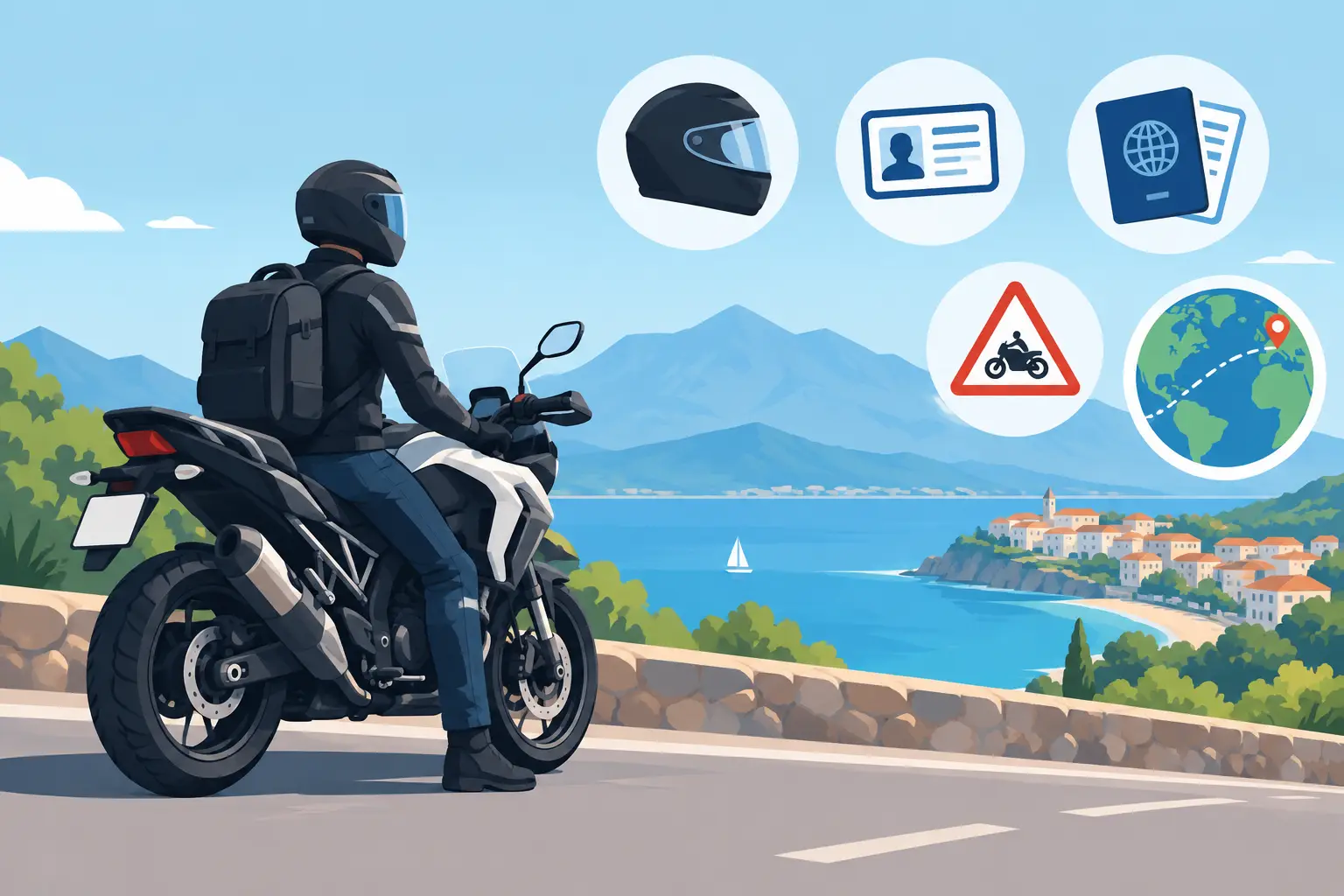
A coastal road, a mountain overlook, and a motorcycle waiting outside your hotel can make a vacation feel wide open. But tourist motorcycle rules can change fast once you cross a border. The license that works at home, the helmet you prefer, or the road habits you rely on may not be enough in Costa Rica, Mexico, the Dominican Republic, or another adventure destination.
The smart move is not to overcomplicate the trip. It is to confirm the few rules that determine whether you can ride legally, safely, and with the insurance protection you expect. Do that before you book, and the rental becomes what it should be: an easy way to see more of the destination on your own schedule.
Tourist Motorcycle Rules Start With Your License
Your home motorcycle endorsement is the first item to check, but it is rarely the only one. Many destinations require riders to hold a full, valid motorcycle license from their home country. A standard car license may be accepted for smaller scooters in some places, but that does not automatically mean it covers a motorcycle or a larger displacement bike.
Ask the rental operator which license class is required for the specific vehicle, not simply whether tourists can rent. A 125cc scooter, a dual-sport motorcycle, and a premium road bike can fall under different rules and age requirements. Operators may also set stricter standards than local minimums, especially for powerful motorcycles or rides that include passengers.
An International Driving Permit can be useful when your license is not in the local language or does not use the Roman alphabet. In some countries it is required alongside your original physical license; in others, it is recommended but not mandatory. It is not a substitute for a valid license, and a digital photo on your phone is not a substitute for carrying the original document.
Before departing, confirm three things with the operator: the accepted license type, whether an International Driving Permit is needed, and the minimum rider age. Bring your passport or a copy if requested, but keep the original secure unless local rules or the rental agreement require you to carry it.
Know the Local Motorcycle Rules, Not Just the Rental Terms
A rental agreement explains the operator's policies. Local law controls the road. The two should work together, but one cannot override the other.
Helmet laws are the clearest example. Many popular travel destinations require a helmet for both the rider and passenger, and enforcement can be more visible around resort areas, town centers, and major highways. Even where enforcement seems relaxed, wear a properly fitted helmet every time. It is the simplest decision you can make for a better day on the road.
Traffic flow also deserves a quick reset. Most Vroom8 destinations drive on the right, but visitors still need time to adjust to local lane behavior, roundabouts, unmarked intersections, and motorcycles filtering through slow traffic. Do not assume that road markings, stop-sign compliance, or passing etiquette will feel like they do at home.
Speed limits may change frequently between highways, villages, school zones, and beach roads. In places with limited signage, slow down rather than guessing. A route that looks short on a map can include potholes, loose gravel, livestock, steep hills, sudden rain, or construction. That is especially true outside major resort corridors and on roads leading to trailheads, waterfalls, surf breaks, or remote viewpoints.
Passengers Change the Ride
Taking a passenger is not just a question of whether the seat is big enough. The motorcycle must be approved and equipped for two people, with passenger footrests and a second helmet. The rental agreement may also set a minimum passenger age or prohibit passengers on certain models.
If you are traveling as a couple, choose the vehicle around the real plan. A light scooter can be ideal for short rides into town. For longer coastal routes, hills, or two adults carrying day bags, a larger motorcycle or a UTV may be the more comfortable and controlled option.
Insurance Is Where Assumptions Get Expensive
Do not treat “insurance included” as a complete answer. Ask what is included, what is optional, what the damage deductible is, and what situations are excluded. Coverage can differ significantly between liability protection, collision damage protection, theft coverage, medical expenses, and roadside assistance.
Motorcycle rentals often have more exclusions than car rentals. Riding on unapproved roads, carrying an unauthorized passenger, leaving the keys unattended, riding under the influence, or allowing an unlisted person to operate the motorcycle can void coverage. Damage to tires, mirrors, undercarriage components, or off-road use may also be treated differently from body damage.
Your credit card travel benefit may not cover motorcycles, even if it covers rental cars. Personal travel insurance may have exclusions for engine size, off-road riding, or riders without the appropriate license. Read the policy before you rely on it.
A quality operator should explain the deposit, deductible, fuel policy, damage-reporting process, and emergency contact procedure before you ride away. Take timestamped photos or video of the motorcycle at pickup, including the tires, lights, mirrors, controls, existing scratches, and fuel level. It takes two minutes and makes the return process clearer for everyone.
Make a Road Plan That Matches the Motorcycle
The best route is not always the fastest route. A new rider on unfamiliar roads should avoid planning a long night ride after a flight, particularly in a destination where rain, limited street lighting, or changing pavement conditions are common. Pick up the motorcycle in daylight if possible, test the brakes and signals in a quiet area, and get comfortable with the controls before joining busy traffic.
In tropical destinations, weather is a real route-planning factor. A bright morning can become a heavy afternoon downpour. Pack a lightweight rain layer, closed-toe shoes, eye protection, and sun protection. If your route includes mountain roads or unpaved sections, ask the operator whether your chosen motorcycle is suitable. “Rideable” and “a good idea for a visitor” are not always the same thing.
Fuel planning matters too. Keep the tank above half when heading toward rural beaches, jungle roads, or less-developed areas. Save the operator's phone number, download offline maps where available, and tell someone where you are going if you will be riding outside town.
Never Ride After Drinking
Vacation settings can make this rule feel obvious and easy to bend. Do not bend it. Alcohol, unfamiliar roads, heat, fatigue, and a two-wheel vehicle are a bad combination. Local blood alcohol limits may be lower than you expect, and penalties can include fines, detention, license issues, or invalidated insurance.
If dinner includes drinks, leave the motorcycle parked and use local transportation. The view will still be there tomorrow.
Choose the Right Type of Adventure
Independent motorcycle rental gives you flexibility: sunrise rides, beach stops, scenic detours, and the freedom to move beyond the standard excursion schedule. It works best for confident, properly licensed riders who are comfortable reading local traffic and managing their own route.
A guided tour is often the better choice if you want local trail knowledge, transport logistics handled, or the reassurance of riding with a lead guide. For visitors who want dirt roads, jungle terrain, or a group day out, an ATV or UTV may also fit the experience better than a motorcycle. The right vehicle is the one that matches your skill, route, group, and comfort level - not simply the one that looks best in a vacation photo.
When comparing rentals, look beyond the daily price. Verified operators, clear vehicle details, current guest ratings, responsive support, hotel delivery, and understandable cancellation terms can matter more than saving a few dollars on a listing with vague policies. Platforms such as Vroom8 help travelers compare those practical details before arrival, rather than negotiating them at the curb.
A Quick Pickup Check Before You Leave
At pickup, take a few focused minutes to confirm the motorcycle is ready for your route. Check that the brakes feel firm, lights and turn signals work, tires appear properly inflated, mirrors are adjusted, and the horn functions. Ask where the tool kit, registration documents, and emergency contact information are stored, if applicable.
Make sure you understand how to lock the motorcycle, where it may be parked, and what to do if it will not start or gets a flat tire. Confirm the return time and fuel expectation as well. These are small details until they are not.
The best travel rides feel spontaneous because the preparation happened earlier. Bring the right license, understand the rules that apply to your bike and route, choose an operator that explains its policies clearly, and leave room in the day for weather and the unexpected. Then take the scenic road with the confidence to enjoy it.