
A jungle road after a rainstorm, a dusty track above the coast, or a route to a hidden waterfall can turn a regular vacation day into the one everyone talks about afterward. But the ATV versus buggies decision changes the entire feel of that day. One puts you directly in the ride; the other gives your group more room, protection, and shared momentum.
For travelers booking an off-road rental or guided excursion, neither vehicle is automatically better. The right choice depends on who is coming, where you plan to ride, how comfortable you are driving, and whether you want a hands-on challenge or an easygoing group adventure.
ATV versus buggies: the basic difference
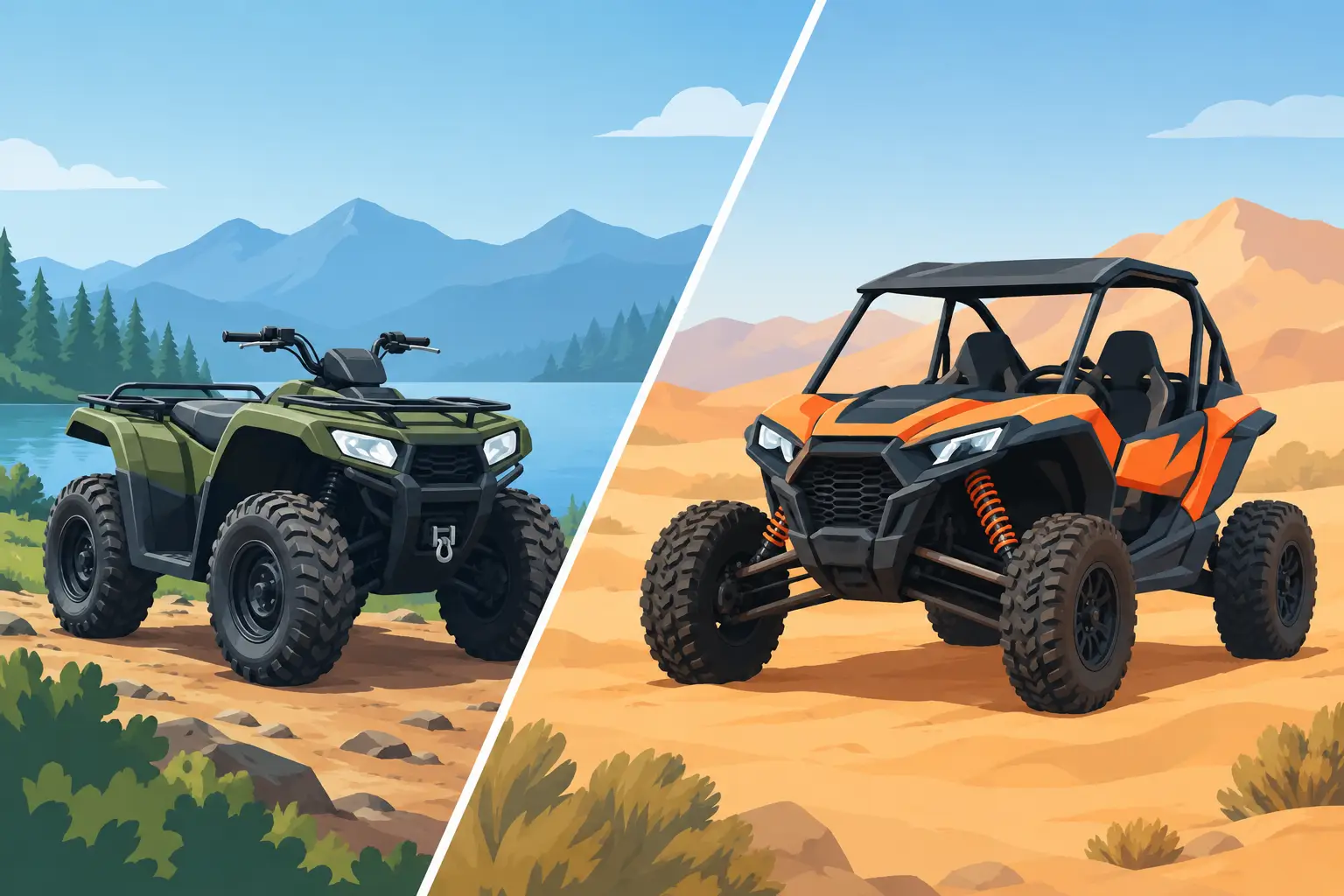
An ATV is typically a single-rider vehicle with a straddle seat, handlebars, and four wheels. Some models are built for two riders, but the passenger setup, weight limits, and local rules vary. You steer with handlebars, shift your body through turns, and feel every change in the trail. That direct connection is exactly why many riders choose an ATV.
“Buggy” can mean different things in different destinations. On vacation rental listings, it usually refers to a side-by-side UTV or an open-frame off-road buggy with a steering wheel, bucket seats, seat belts, and a protective roll cage. Most carry two to four people, though larger models are available with some operators.
That distinction matters when comparing vehicles. An ATV feels closer to riding a motorcycle on four wheels. A buggy feels more like driving a compact off-road car designed for rough surfaces. Both can be seriously fun, but they suit different travel styles.
Choose an ATV when the ride is the main event
An ATV is often the better fit for solo travelers, confident couples riding separately, and anyone who wants an active, responsive experience. The seating position gives you a clear view of the trail, while the smaller footprint can make the vehicle feel nimble on tighter routes.
On scenic dirt roads near Tamarindo or forest tracks around Arenal and La Fortuna, an ATV can make even a short route feel immersive. You are not just heading toward the beach, viewpoint, or river crossing. You are fully engaged in the terrain on the way there.
ATVs also work well for riders who have prior experience with motorcycles, snowmobiles, or other handlebar-controlled vehicles. That experience is not required for every rental or guided tour, but it can shorten the learning curve. A responsible operator should provide a clear safety briefing, explain controls, check protective equipment, and match the route to the group’s skill level.
The trade-off is physical effort. You will use your arms, legs, and core more than you would in a buggy, especially on uneven trails. Rain, mud, dust, and heat are part of the experience, not a side detail. If you want to arrive clean for a lunch reservation or prefer not to manage a vehicle on your own, a buggy may be the smarter call.
Choose a buggy for comfort, company, and confidence
Buggies are a natural choice for couples, families, friend groups, and travelers who want the fun of off-road travel without the more exposed feel of an ATV. With familiar controls like a steering wheel and pedals, many first-time off-road drivers feel comfortable faster.
The passenger experience is a major advantage. In a side-by-side, your partner, friend, or family member rides next to you instead of behind you or on a separate vehicle. You can talk between stops, share the view, and keep an eye on younger passengers where local age and seating rules allow it.
The roll cage, seat belts, and more substantial seating can also provide welcome reassurance on bumpy roads. That does not make a buggy risk-free - speed, sharp turns, wet ground, and poor driving decisions still matter - but it creates a more contained setup for travelers who value stability and structure.
A buggy is especially practical for a half-day outing from a resort or hotel. You may have towels, water, a light jacket, phones, and a camera to carry. Many models offer more secure storage space than an ATV, although you should always confirm what is included and whether valuables can be safely stored.
There is a trade-off here, too. Buggies are larger, so they may not fit the narrowest trails. They can also cost more upfront than a single ATV, though the total may be favorable when two or four travelers share one vehicle. Compare the total price per group, not just the headline daily rate.
Consider the terrain before the vehicle
Terrain should be one of the first questions you ask, not an afterthought. Loose gravel, dry dirt, jungle mud, river crossings, pavement connections, steep hills, and sandy coastal tracks all handle differently. The best vehicle is often the one your verified local operator recommends for the actual route and season.
In Costa Rica’s green season, for example, a route that is easy and dusty in the morning can be slick after an afternoon downpour. A guided ATV tour may be ideal for travelers who want to tackle that changing terrain with a local leading the way. A buggy may make more sense for a couple that wants a steadier ride while still reaching scenic backroads and viewpoints.
In Playa del Carmen or Punta Cana, routes may include a mix of dirt paths, puddles, open sections, and stops at attractions. If the itinerary includes a guided group experience, the operator’s vehicle fleet, route design, and safety standards matter more than a generic assumption that one category always performs better.
Ask whether the rental is intended for road use, designated trails, or a guided route only. Local regulations, insurance terms, and road access rules can differ sharply by destination. Never assume that because a vehicle has four wheels, it can go anywhere.
Factor in your group before you book
The fastest way to narrow the choice is to picture the people on the trip. A solo traveler who wants independence may get more from an ATV. Two friends who both want to drive may prefer two ATVs. A couple celebrating a beach vacation may enjoy sharing a buggy, particularly if one person would rather navigate than operate a vehicle.
For families, focus on operator rules rather than vehicle capacity alone. Minimum driver age, passenger age, height requirements, child seating policies, helmets, and route difficulty should all be confirmed before booking. A four-seat buggy is not automatically appropriate for every family, and a reputable operator will be direct about what is permitted.
Also consider the pace of the group. If half the party wants an adrenaline-forward ride while the other half wants photos, conversation, and an easy route, splitting into two experiences may be better than forcing everyone into one vehicle type. Vacation time is too valuable for a compromise nobody enjoys.
Compare the booking details that affect the day
Vehicle type is only one part of a strong off-road experience. Before reserving, check the exact model or seating configuration, whether the listed rate is per vehicle or per person, the fuel policy, deposit requirement, and damage coverage. If you are booking a tour, confirm what is included: guide, safety gear, entrance fees, refreshments, and hotel pickup can all affect the real value.
For independent rentals, confirm delivery and return logistics. Hotel delivery can save time, especially when you are staying outside town or do not want to arrange taxis before sunrise. For tours, hotel pickup makes it easier to enjoy the ride without worrying about navigation or parking.
Look for clear cancellation terms and recent guest feedback, then choose an operator that provides complete instructions rather than vague promises. Vroom8 helps travelers compare premium vehicles and verified operators with instant booking options, so the practical details are easier to sort before you arrive.
Make the choice that matches your vacation
Pick an ATV if you want a more personal, athletic ride and are excited to be exposed to the trail. Pick a buggy if you want to share the experience, carry more, and drive with familiar controls and added structure. If you are still undecided, let the route, weather, and your least confident traveler guide the decision.
The best off-road day is not the one with the most horsepower. It is the one where everyone feels ready to ride, the vehicle fits the terrain, and the booking details are settled before the first stretch of dirt begins.