
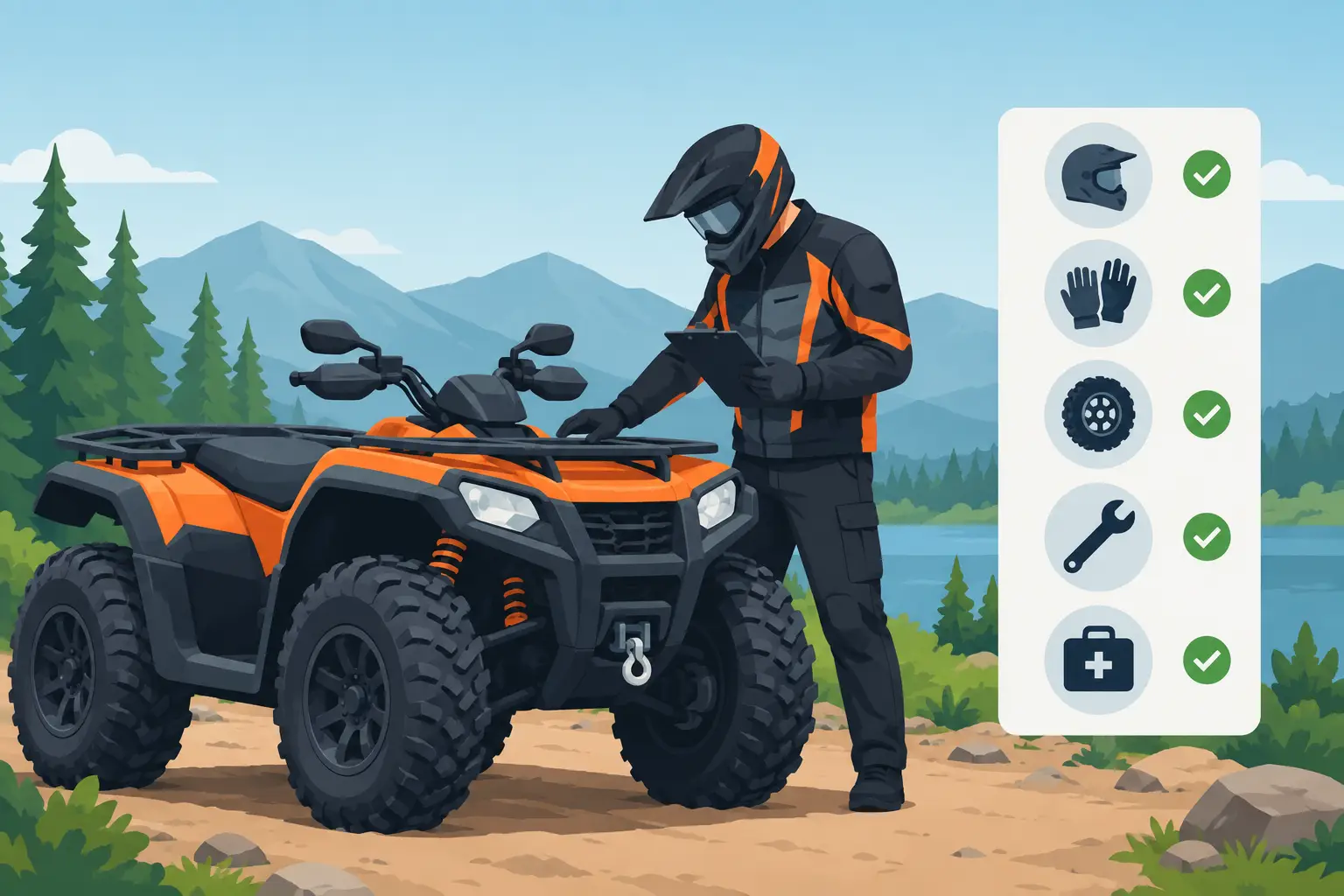
A great ATV day should end with dusty shoes, camera-roll highlights, and a story worth telling - not a preventable injury or a stressful call to the rental desk. This ATV rental safety checklist helps you make smart decisions before the key changes hands, whether you are heading into Costa Rica's jungle backroads, riding near Playa del Carmen, or joining a guided tour from your hotel.
The exciting part is choosing where to go. The responsible part is making sure the vehicle, route, weather, and group are right for the ride you have planned. Give both the same attention.
Start With the Right Rental and Operator
Safety starts before arrival. A polished booking page alone is not proof that a rental is suitable, so look for clear vehicle details, current customer ratings, transparent inclusions, and a real explanation of pickup, insurance, deposits, and cancellation terms. Verified local operators are especially valuable when you are traveling somewhere unfamiliar because they know seasonal road conditions, trail access, and local restrictions.
Match the vehicle to your experience and group. An ATV is typically designed for one rider, while a UTV offers side-by-side seating, a steering wheel, seat belts, and often more room for passengers or gear. Couples and families may find a UTV the more comfortable option, particularly on longer routes or uneven terrain. A powerful ATV can be a lot of fun, but more power does not make a first-time rider safer.
Ask direct questions before booking: Is a helmet included and properly sized? Are goggles available for dust or rain? Is there a minimum age or license requirement? Which roads and trails are permitted? Is hotel delivery available, and will the operator provide an orientation at delivery? Clear answers are a good sign. Vague answers are a reason to choose another provider.
Your ATV Rental Safety Checklist Before You Ride
Arrive early enough to inspect the vehicle without feeling rushed. Rental teams should expect questions and be willing to walk you through the controls. If something feels wrong, do not assume it will improve once you are on the trail. Request a different vehicle or postpone the ride.
Check the vehicle from the ground up
Walk around the ATV with the operator. Look for fresh damage, loose panels, visible fluid leaks, and tires with cuts, bulges, or very low tread. Confirm that the tire pressure looks even from side to side. On an ATV, test the front and rear brakes at a standstill, check that the throttle returns smoothly when released, and make sure the steering moves freely without excessive play.
Turn on the ignition and verify the headlights, brake light, and horn if the vehicle will be used on public roads. Check the fuel level, then ask what fuel type is required and where you may refuel. Take timestamped photos or video of existing cosmetic damage before departure. This protects both you and the operator from confusion later.
If you are renting a UTV, also confirm that every seat belt latches securely, doors or nets close properly, and the parking brake holds. Never remove safety nets, doors, or roof components to get a better view or more airflow.
Learn the controls before the wheels move
Ask the operator to demonstrate starting, stopping, braking, reversing, shifting, parking, and engaging four-wheel drive if the vehicle has it. Learn where the emergency stop procedure is explained, how to use the lights, and what warning indicators on the dash mean.
Then practice in an open, flat area. Start slowly, make wide turns, brake gently, and reverse only after checking behind you. This short test matters because ATV handling is different from driving a car. You actively use body position to stay balanced, especially when turning, climbing, or descending.
Do not leave until you understand the route boundaries, expected return time, and what to do if you get separated from your group. Save the operator's contact number in your phone, but do not rely on service in remote areas. Ask whether there is a paper map, a marked route, or a meeting point if mobile coverage disappears.
Put on the gear that actually protects you
A helmet is not an optional accessory. Choose one that fits snugly without painful pressure, fasten the chin strap, and replace it if it has visible damage. In dusty destinations or on fast open trails, goggles protect more than your eyes - they help you see hazards early enough to react.
Wear closed-toe shoes with grip, not flip-flops or slides. Long pants and a shirt that covers your shoulders reduce cuts, sun exposure, and burns from hot engine parts. Gloves are helpful for vibration, branches, and a more secure grip. In tropical areas such as Tamarindo or Punta Cana, bring water, sunscreen, and insect repellent, but avoid carrying loose items that can fall into moving parts.
Ride for the Terrain, Not Your Confidence
The biggest safety upgrade is simple: slow down before a situation demands it. Loose gravel, wet roots, deep sand, washboard roads, and blind corners can all change the way an ATV reacts. A route that feels easy in dry morning weather may become slippery after a fast afternoon downpour.
Keep both hands on the handlebars and both feet on the footrests. Sit centered and look well ahead, rather than down at the front tires. Reduce speed before turning, then use smooth steering and gradual throttle through the corner. Sharp turns at speed are a major rollover risk.
On hills, maintain steady momentum uphill without attacking the slope. Shift your weight forward on climbs and back slightly on descents, using controlled braking rather than coasting. If a hill looks beyond your ability, turn back where it is safe. No viewpoint is worth guessing your way up a steep, rutted trail.
Never ride through water unless your operator has confirmed the crossing is allowed and safe. Water can hide rocks, holes, strong currents, and deeper sections that can damage the machine. The same goes for beaches and protected areas: access rules vary widely, and riding where it is prohibited can create legal trouble, environmental damage, and costly recovery fees.
Set Rules for Your Group Before the First Mile
Group rides get messy when everyone assumes someone else knows the plan. Decide who leads, who stays last, where you will stop, and how long you will wait at turns. Keep a safe following distance so dust does not block your vision and you have room to brake if the rider ahead stops suddenly.
Do not race, pass without a clear signal, or perform wheelies, jumps, or slides. These moves may look easy in a short social video, but rental vehicles are unfamiliar, terrain is unpredictable, and medical care can be farther away than expected. Alcohol, cannabis, and ATVs are an equally poor combination. Save the celebration for after the keys are returned.
If children are part of the trip, follow the operator's age, size, and passenger rules exactly. Do not place a child on an ATV that is built for one rider, and do not assume a child can hold on safely over rough ground. A guided UTV tour may be the better family choice because seating and restraints are designed for passengers.
Know When to Change the Plan
Conditions can shift quickly. Heavy rain, lightning, extreme heat, poor visibility, mechanical warnings, or a rider who is exhausted are all valid reasons to shorten, reroute, or cancel a ride. That is not lost adventure. It is good judgment that keeps the trip enjoyable.
Tell the operator immediately if you notice weak brakes, overheating, a tire problem, unusual steering, or a warning light. Do not attempt trail repairs unless the operator specifically instructs you to do so. Move to a safe spot, keep the group together, and wait for professional guidance.
When you return, mention any damage or issue honestly. It is far easier for an operator to inspect and resolve a problem at check-in than after you have left the destination.
The best off-road memories come from having enough confidence to explore and enough discipline to respect the machine. Choose a quality operator, take the briefing seriously, and leave a little margin in every decision. The trail will still be there tomorrow.