
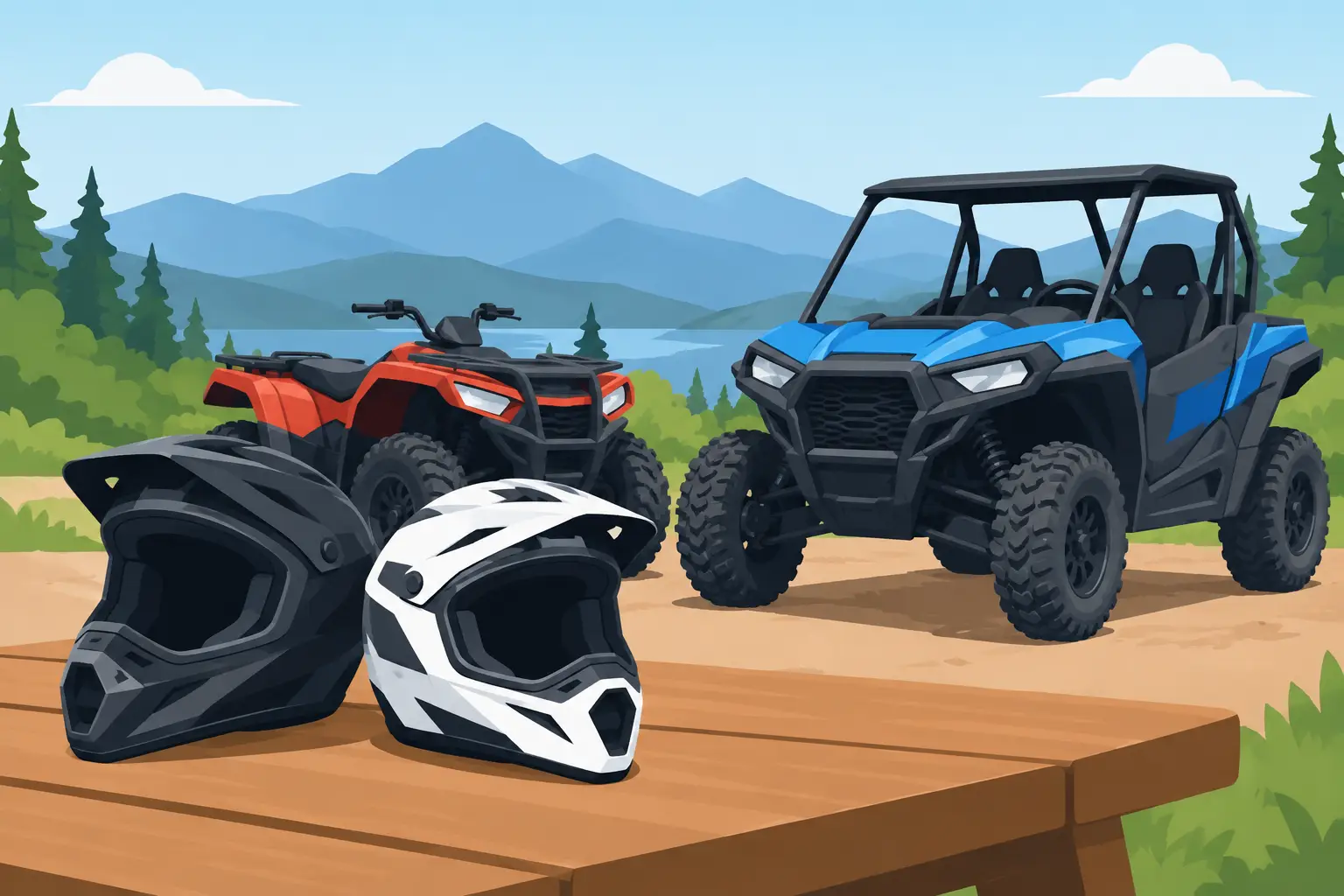
You have found the trail, chosen the vehicle, and arranged pickup at your hotel. Then comes a small question that can change the entire plan: Are helmets included with your rental or tour? For most reputable ATV, UTV, motorcycle, and guided off-road experiences, a helmet is available or included. But the exact policy can vary by vehicle, destination, local law, passenger count, and operator.
That is why helmet details deserve the same attention as rental duration, insurance, and delivery. A premium adventure should feel organized before the engine starts, not like a last-minute scramble at the pickup point.
Are Helmets Included With Every Rental?
Not automatically. Helmet inclusion is common, particularly for guided ATV tours and motorcycle rentals, but it should never be assumed. Some operators include helmets in the advertised rate for every rider. Others provide them at no charge on request, while a smaller number may charge separately or offer upgraded options such as goggles, neck gaiters, or full-face helmets.
UTV rentals can be a little different. A side-by-side normally has a roll cage and seat belts, and rules on helmet use may differ from those for an open ATV or motorcycle. On dusty trails, however, many guests still prefer a helmet and eye protection even where they are not legally required. The right setup depends on the terrain, the weather, and how exposed you will be during the ride.
When comparing listings, check whether the helmet policy applies to every person in the vehicle. A two-seat ATV or four-seat UTV is only useful if every passenger has the safety gear required for that route. This matters especially for families and groups who are booking several vehicles for one departure time.
Why the Answer Changes by Destination
Off-road riding looks different in Tamarindo than it does around Arenal or Playa del Carmen. A coastal route may involve sun, sand, washboard roads, and quick weather changes. A jungle route can bring mud, branches, steep grades, and reduced visibility. Operators set their equipment practices around those conditions, along with local regulations and the type of machine being rented.
Guided tours often have clearer helmet procedures because the operator controls the route, briefing, pace, and group safety standards. Your guide may require helmets for all riders, explain how to secure the chin strap, and stop the group if someone needs an adjustment. Independent rentals give you more freedom, but they also put more responsibility on you to confirm what is supplied and what the law requires on public roads.
Motorcycle rentals deserve an extra check. A helmet may be legally mandatory, required by the rental agreement, or strongly recommended based on the route. If you are planning to ride from a resort area to beaches, viewpoints, or smaller towns, ask whether the vehicle can legally travel on the roads you intend to use and whether the provided helmet is suitable for that riding style.
What to Confirm Before You Book
The simplest question is not just whether a helmet is included. Ask what kind of helmet it is, how many are available, and whether it fits the people in your group. Those details prevent surprises when a popular tour is fully booked or when a passenger needs a child or extra-large size.
Before confirming an ATV, UTV, or motorcycle experience, review the operator details for these practical points:
- Whether helmets are included in the booking price, available on request, or rented separately.
- Whether one helmet is provided for each driver and passenger.
- What sizes are available, including child sizes when applicable.
- Whether helmets are required for the route, even if the vehicle has seat belts or a roof.
- Whether goggles, face coverings, rain gear, or closed-toe footwear are recommended or required.
A verified operator should be able to answer these questions plainly. If the listing says helmets are included, confirm that this covers the full number of riders in your reservation. If the details are unclear, do not wait until the morning of your ride to find out.
Vroom8 helps travelers compare premium vehicles and verified local operators, but conditions can still vary by individual rental and tour. Read the current listing details before booking, then bring any special sizing needs to the operator's attention as early as possible.
Fit Matters More Than Style
A helmet only helps when it fits correctly. It should sit level on your head, feel snug without creating pressure points, and stay in place when you move your head. The chin strap must be fastened every time you ride. A loose helmet can shift your field of vision on a bumpy trail, while one that is too tight becomes distracting after a few miles in the heat.
If you wear glasses, tell the operator before you leave. An open-face helmet may work better for some riders, while others prefer a visor or goggles to deal with dust, insects, and glare. Full-face helmets offer more coverage, but they can feel warmer in tropical conditions. There is no single best choice for every person or route.
Hair, hats, and accessories can affect fit too. Skip bulky caps under a helmet, tie back long hair, and avoid anything that keeps the helmet from sitting securely. If the helmet has visible damage, a broken strap, a cracked shell, or a loose interior liner, ask for a replacement. That is a reasonable request, not a difficult one.
Hygiene and Comfort on Shared Gear
Rental helmets are shared equipment, so it is fair to think about cleanliness. Professional operators commonly inspect and sanitize helmets between guests, but standards and processes vary. If hygiene is a concern, ask how helmets are cleaned and whether a disposable liner is available.
Bringing a thin helmet liner or bandana can add comfort on a hot day, though it should not interfere with the fit. Goggles can also make a major difference on dry, dusty ATV routes. They are not simply an add-on for photos. Clear vision helps you spot ruts, rocks, puddles, and other riders early enough to react smoothly.
Comfort also depends on what you wear. Closed-toe shoes, sunglasses that fit under the helmet if appropriate, sunscreen, and clothing that can handle dust or mud will make the experience more enjoyable. A helmet protects your head, but the rest of your gear determines whether you spend the ride focused on the scenery or distracted by preventable discomfort.
Helmets for Passengers and Children
Passengers should receive the same attention as drivers. On ATVs, passengers may be restricted depending on the machine design and local rules. On UTVs, every occupant should have an assigned seat belt, and helmet requirements may apply to all seats. Never assume a vehicle advertised for four people includes four helmets unless that is stated or confirmed.
For children, age, height, and weight rules can be as important as helmet availability. Many guided off-road tours have minimum-age requirements or require children to ride only as passengers in a UTV. These restrictions are usually based on safety, insurance, and the demands of the terrain, not on whether a family feels comfortable with the ride.
Be accurate when entering your group details. Let the operator know the ages of children and the number of passengers before arrival. That allows them to recommend the appropriate vehicle rather than trying to make an unsuitable ATV work at the last minute.
A Better Way to Plan Your Ride
The best rental experience starts with clear expectations. Confirm the helmet policy, share your group size and sizing needs, and read any instructions about footwear, deposits, licenses, and hotel pickup. If you are new to off-road riding, a guided tour can be a smart choice because the equipment, route, and safety briefing are coordinated for you.
Once you have the right gear, do not treat the helmet as an inconvenience between you and the view. It is what lets you take on a sandy track, jungle climb, or coastal back road with more confidence. Book the vehicle that suits your group, ask the practical questions early, and leave room to enjoy the ride when the trail finally opens up.